Barbed GrainCurated Wool Craft Comparisons
Kit Evaluation Ledger

The First-Form Primer: Selecting Needle Felting Kits by Wool Crimp, Gauge Markings, and Pad Resilience

Navigating starter kits through tangible fiber physics: why carded batts hold shape faster than slippery tops, which gauge markings prevent needle breakage, and how core foam density protects tabletop projects.

Core Fiber MechanicsNeedle Gauge SystematicsFirm Work Surfaces
Beginner needle felting starter kit: a pragmatic buyer’s guide Beginner needle felting starter kit: a pragmatic buyer’s guide Beginner needle felting starter kit: a pragmatic buyer’s guide

The Three Tangible Tests for Starter Felting Assortments

Before committing hours to shaping an uncooperative fleece ball, examine the exact material tradeoffs that standard boxed kits frequently obscure.

01

Fiber Prep: Carded Batts vs. Combed Top

Beginners build volume far quicker with multi-directional carded batt wool (such as Corriedale or Maori blends) where interlocking crimps grab barbs instantly, whereas shiny combed Merino top demands delicate, dense wrapping to avoid layered separation.

  • Look for: Carded slivers with natural crimp
  • Caution: Slippery single-direction combed roving
02

Needle Identification: Gauge, Shape & Markings

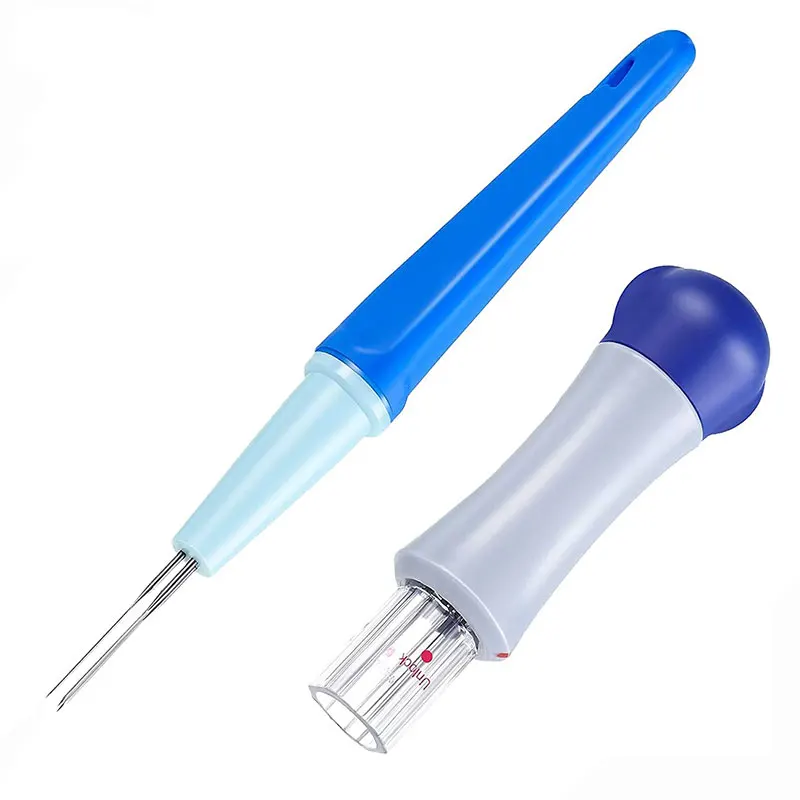
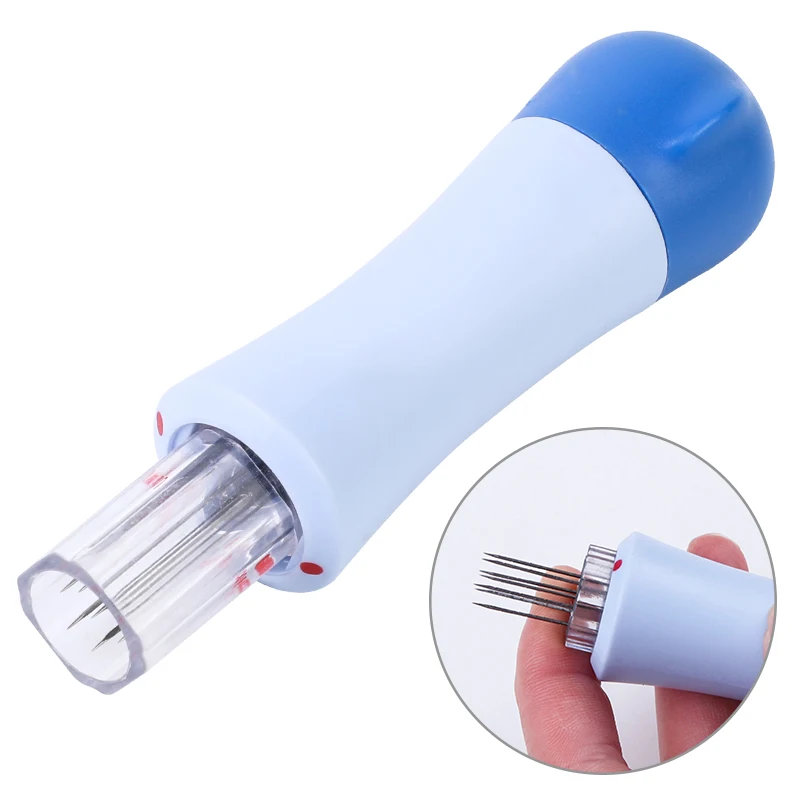
Brittle unlabelled needles turn shaping into guesswork. A dependable kit includes color-banded or stamp-notched triangular and star blades from coarse (36G) for rapid core shaping down to fine (40G) for smooth, pockmark-free surface detailing.

  • Look for: Color-dipped handles or etched gauge marks
  • Caution: Unmarked identical blanks bundled loose
03

Substrate Longevity: Foam Rebound vs. Felt Pad

Flimsy open-cell packing foam caves in within ten minutes, leaving needle tips striking hard furniture. High-density closed-cell polyethylene foam or dense pressed-wool mats preserve needle tips and prevent deep wool migration into the pad.

  • Look for: High-density recycled or dense felt blocks
  • Caution: Soft shipping foam that flakes into wool

Match Your Kit to the Desired Finished Form

Different project formats demand distinct fiber blends, specialized armature wires, and contrasting needle profiles.

3D Sculptural Animals

Core Bulk & Firm Compacting

Requires abundant coarse core wool, heavy-gauge triangular needles (36G/38G), and sturdy chenille wire armatures that resist repetitive needle strikes.

2D Wool Painting

Surface Blending & Clean Linen Backing

Requires soft combed tops for gradient mixing, fine star or spiral needles (40G) to limit perforations, and rigid wool felt pre-stretched in an embroidery hoop.

Small Botanicals & Miniatures

Delicate Edges & Precision Planing

Requires short-staple dyed batts, reverse-barb needles for gentle fuzzing, finger cots for close handling, and miniature wooden single-needle chucks.

Recent Kit Reviews & Material Dissections

Recent Articles

This site contains affiliate links. We may earn a commission at no extra cost to you.